To mark its 10th anniversary, Blackpool’s community theatre company, The Old Electric, is recruiting new performers for a reworking of Euripides’ Bacchae – its first open call in years
When Melanie Whitehead set up The Old Electric in July 2016, she wanted to find out how Blackpool communities could be supported to build creative skills, make new social connections and use theatre to share stories that resonate with locals. A decade on, the company is celebrating its 10th birthday with its most ambitious project yet, and it is looking for new people to be part of it.
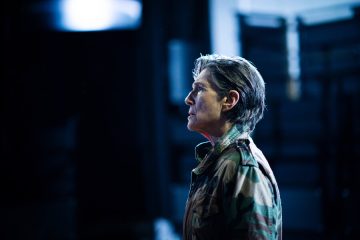
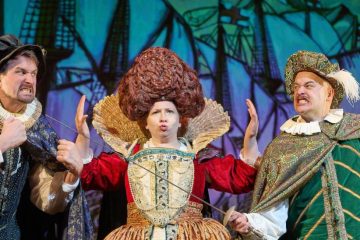
The company’s community troupe, known as Th’ESPs, will stage a bold reworking of Euripides’ ancient Greek tragedy Bacchae in July 2027, at a venue still to be announced. It promises the company’s signature mix of puppetry, original music and audience interaction.

Over the past 10 years, Th’ESPs have produced 11 new large-scale productions involving 81 performers, staged across Blackpool, Fylde and Wyre and seen by thousands of people. But for the past couple of years the company has been unable to take on anyone new.
“We get so many enquiries about becoming a part of the community theatre,” says Melanie, the company’s founder and artistic director. “I’m delighted that we’re able to offer this now, as we hit our 10th birthday.
“This is set to be a showcase of some important themes and ideas around diversity and inclusion that are at the heart of the organisation, but also a great celebration of the unique range of skills and creative abilities that I know are within the wider Blackpool community.”
Anyone aged 18 or over is welcome, with no experience required. Taster sessions, which double as auditions, take place at the company’s Edward Street premises on Friday 13 and Saturday 14 November. They are workshop-style, with a range of exercises designed to give a deeper insight into how the company works, and there is no pressure to join afterwards.
Those who want to be considered should be free to rehearse on Thursday evenings from January to July 2027, with performances at the end of July. Casting decisions will be made in December and scripts issued by the end of the year. Participants will also be invited to take part in a research project at Lancaster University – further details will be given at the sessions.
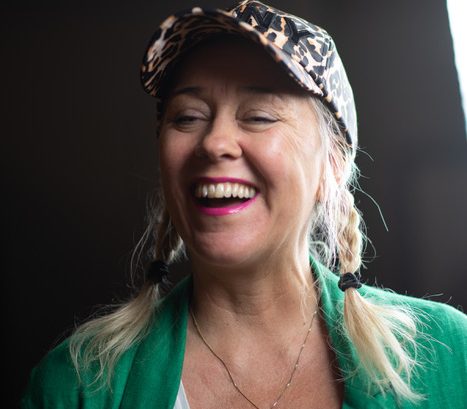
Central to Th’ESPs’ approach is ensemble theatre-making. Melanie concedes the word is not especially helpful as an explanation. The practice is generally traced to professional actors in 1890s Moscow, who sought to challenge existing conventions with techniques that displaced over-acting, star-style casting and the servicing of individual vanity, and instead asked performers to commit to the quality of the collective experience.
Melanie, who is currently doing a PhD at Lancaster University on the impact ensemble theatre-making can have on individuals and communities, believes this makes it a perfect tool for communities to develop new creative practice but adds that it is not for everyone.
“I’ve been so privileged to work with some amazing performers,” she says. “Some joined because they wanted to be involved in a specific play, some wanted to tick an achievement off their bucket list, many have been involved in multiple shows, including a core group of nine who’ve played a part in five or more of the productions, and some came along and realised that it wasn’t for them. And that’s OK.”
She says she’s wrestled with balancing group-led work, an open-access policy and the highest possible standards, while recognising that motivations, skills and commitment differ.

“We’re looking for people to join who are prepared to try new things, to embrace the unpredictable and in doing so might feel vulnerable or frustrated, but who see that challenge as an opportunity for growth,” she says.
“I know this sounds like a grand claim, but I’ve seen it so many times and in so many different ways. This process offers huge benefits, which include new connections, new ways of thinking, and a gateway to making more conscious, purposeful choices in your life.”
Melanie says she has found the way of working particularly suitable for women, often those over 35, and for people who are neurodivergent or queer. The new production will suit people who recognises themselves in those groups, she says, but it is not exclusively aimed at them.
“We invite everyone to come along and find out more if any of this sounds interesting to you.”
To register for the taster sessions, visit theoldelectric.co.uk or email [email protected].